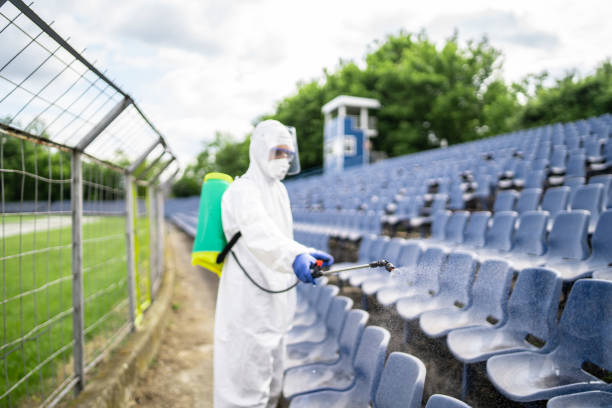
Tens of thousands of people can pass through a single stadium in one afternoon. They eat, drink, cheer, spill things, and leave behind an enormous amount of rubbish in a very short window of time. By the following week, that same venue is expected to look freshly presented again for the next event, whether it is a football final, a concert or a community fixture. Very few people in the crowd ever stop to think about what happens between those two moments.
Keeping a large sports and entertainment venue clean is a logistical operation in its own right, closer to a military exercise than a typical commercial cleaning job. It requires timing, coordination across dozens of staff, and a clear understanding of exactly how a stadium moves through its cycle of use.
The Unique Challenge of Large Venue Cleaning
A shopping centre or office building can be cleaned gradually, section by section, throughout a quiet overnight shift. A stadium rarely gets that luxury. Crowds can leave immediately after full time, meaning cleaning crews sometimes have only a handful of hours before gates open again for another event, or before contractors need access for setup.
The scale is also different. Concourses, food courts, private boxes, public seating bowls, media areas, change rooms and toilet blocks all need attention, often simultaneously. Spilled drinks, food wrappers, confetti and general foot traffic grime accumulate across tens of thousands of square metres rather than a few office floors.
Why Timing Is Everything
Professional Stadium Cleaning Services Sydney venues rely on are typically built around tight, pre-planned schedules rather than a general once over. Crews often begin working the concourse and public areas during the final quarter or the closing act of a concert, focusing on zones that are already empty. As soon as the crowd clears the stands, teams move systematically through each seating block.
Bathrooms usually receive attention throughout the event itself, not only afterward, since high traffic areas can become unusable within the first hour if left unchecked. Food and beverage zones are treated as their own priority, both for hygiene reasons and because they tend to attract pests if scraps are left overnight.
What Happens After the Crowd Leaves
Once the venue empties, the real deep clean begins. This is where experienced Stadium Cleaning Services Sydney teams separate themselves from general contractors. Seating rows need to be wiped down individually, aisles swept and mopped, and any spills treated before they set into flooring or upholstery. Rubbish collection alone can take hours given the volume generated by a full house.
Change rooms and player facilities require a different standard again, closer to what you would expect in a commercial gym or medical facility, given the amount of direct skin contact involved. Media rooms and corporate suites often need a more polished, hospitality grade finish since they are used for client entertainment and broadcast purposes.
Behind all of this sits waste management on an industrial scale. A single major event can generate tonnes of recyclable and general waste, and sorting it properly matters both for sustainability targets and for keeping loading docks clear for the next delivery cycle.
The Standard Fans Never See But Always Notice
Fans rarely comment when a stadium is clean. They simply expect it. The moment a bathroom overflows or a food court looks neglected, however, complaints spread quickly, and venue reputation can take a real hit. This is exactly why experienced Stadium Cleaning Services Sydney operators are considered essential partners rather than just another line item on an events budget.
The best teams build detailed run sheets for every event type, understand crowd flow patterns specific to each venue, and keep flexible staffing levels ready to scale up for finals or high attendance concerts. They also work closely with venue security and event managers, since cleaning schedules often need to adapt in real time around delays, weather or unexpected incidents.
The Equipment Behind a Fast Turnaround
None of this speed would be possible without the right equipment. Ride on scrubbers cover concourses far faster than manual mopping ever could, while backpack vacuums allow individual crew members to move quickly through seating bowls without dragging cords or heavy machinery between rows. Pressure washing equipment is often used on outdoor concourses and loading areas where ground in dirt and gum need more than a standard mop to shift.
Staffing numbers also scale dramatically depending on the event. A mid week community match might only need a small overnight crew, while a grand final or major concert can require dozens of staff working in coordinated zones simultaneously. Planning this staffing level correctly, well ahead of the event date, is just as important as the cleaning techniques themselves.
Working Around Multi Purpose Venues
Many Sydney venues do not host a single type of event. A stadium might switch from football one weekend to a major concert the next, each bringing entirely different mess profiles and turnaround windows. Concerts often generate far more confetti, spilled drinks and merchandise packaging than a typical sporting fixture, while sporting codes bring their own patterns around food waste and crowd movement.
Venue operators rely on cleaning partners who understand these differences and can adjust their approach accordingly, rather than applying a single generic plan regardless of what actually took place on any given night. This flexibility is often what separates a merely adequate cleaning contractor from one trusted with a venue’s full annual events calendar.
Training for Crowd Safety and Cleaning Together
Cleaning staff at major venues often work in close proximity to security teams, first aid responders and event staff, which means basic crowd awareness and safety training becomes part of the job description alongside cleaning skill itself. Crews need to understand evacuation routes, recognise potential hazards such as spilled liquids near stairwells, and know how to report incidents quickly through the venue’s existing communication channels.
This layer of training is often overlooked by people outside the industry, but it reflects just how integrated cleaning operations have become with the overall safety and running of a major event, rather than existing as a separate, siloed task handled after everyone else has gone home.
Final Thoughts
The next time you walk into a Sydney stadium and find spotless concourses, fresh smelling bathrooms and tidy seating rows within hours of a sold out event, remember that none of it happened by accident. It is the result of careful planning, a well drilled team, and a genuine understanding of how large venues actually operate under pressure.
For venue managers, choosing the right cleaning partner is not simply about hiring extra hands. It is about finding a team capable of matching the pace and scale of major events without ever letting standards slip, event after event, season after season.